For most production growers, the benchmark has always been simple: if a cultivar doesn’t offer a meaningful advantage over dependable wax begonias like Cocktail or Whiskey, why grow it? Those series earned their reputation. Plants germinate uniformly, finish predictably, ship well, and deliver reliable landscape performance. They remain among the best choices for traditional bedding plant programs.
This landscape lining a highway shows a very common job for the Benary cultivars—to thrust begonia color up and over the color spread before it. Add more color heights and the design becomes a layer cake.

I don’t think that’s what’s happening.
These trial photos shows the height that mature Bigs can reach.
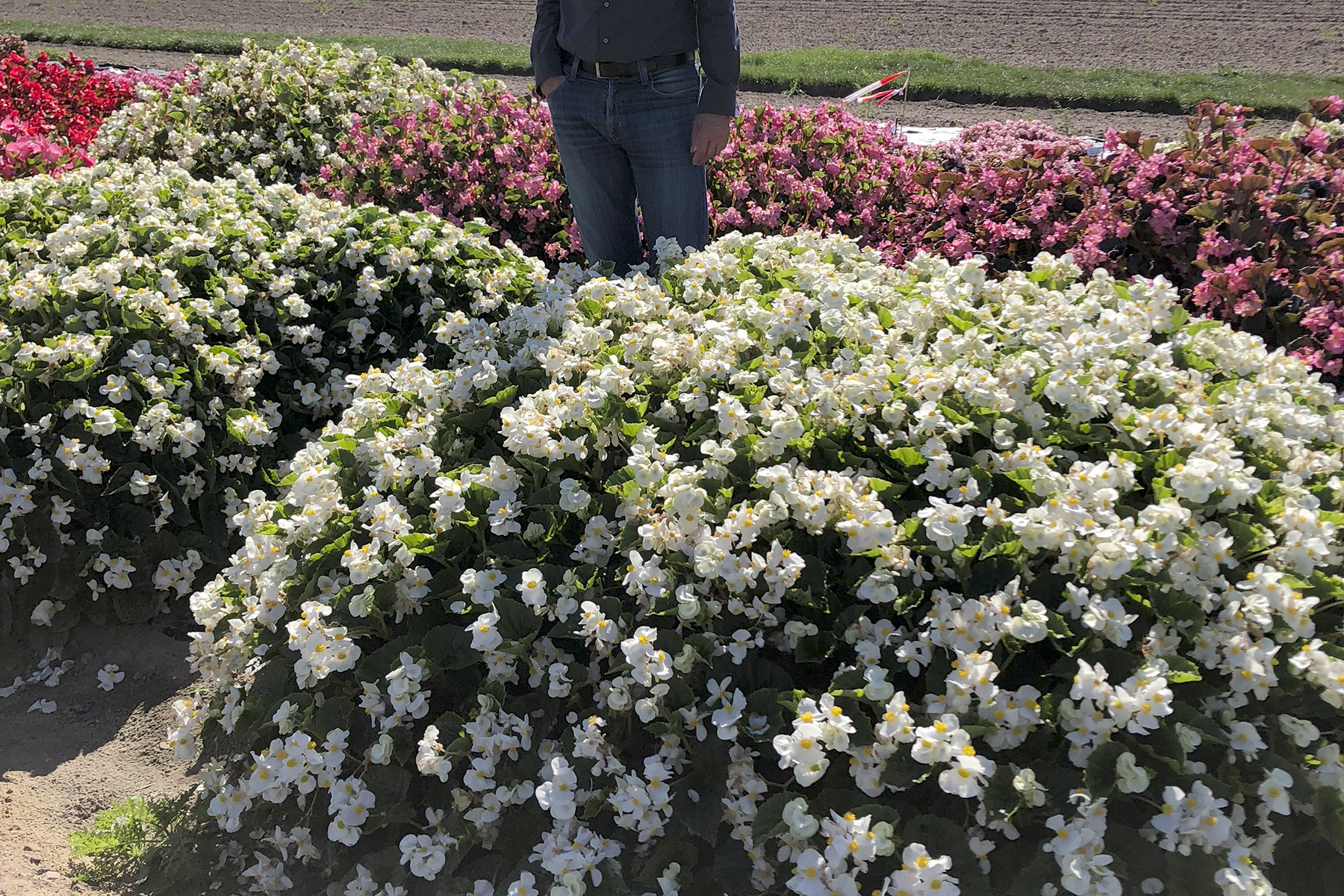
Big: The first major step
semperflorens types like Cocktail and Whiskey, it brought greater vigor, larger flowers, thicker foliage, and noticeably better summer performance in deeply southern locations. More importantly, it provided Benary with a broad set of genetic tools to expand the category beyond the limitations of straight semperflorens. If Benary pushed, begonias would flex using the interspecifics.
Then came Whopper.
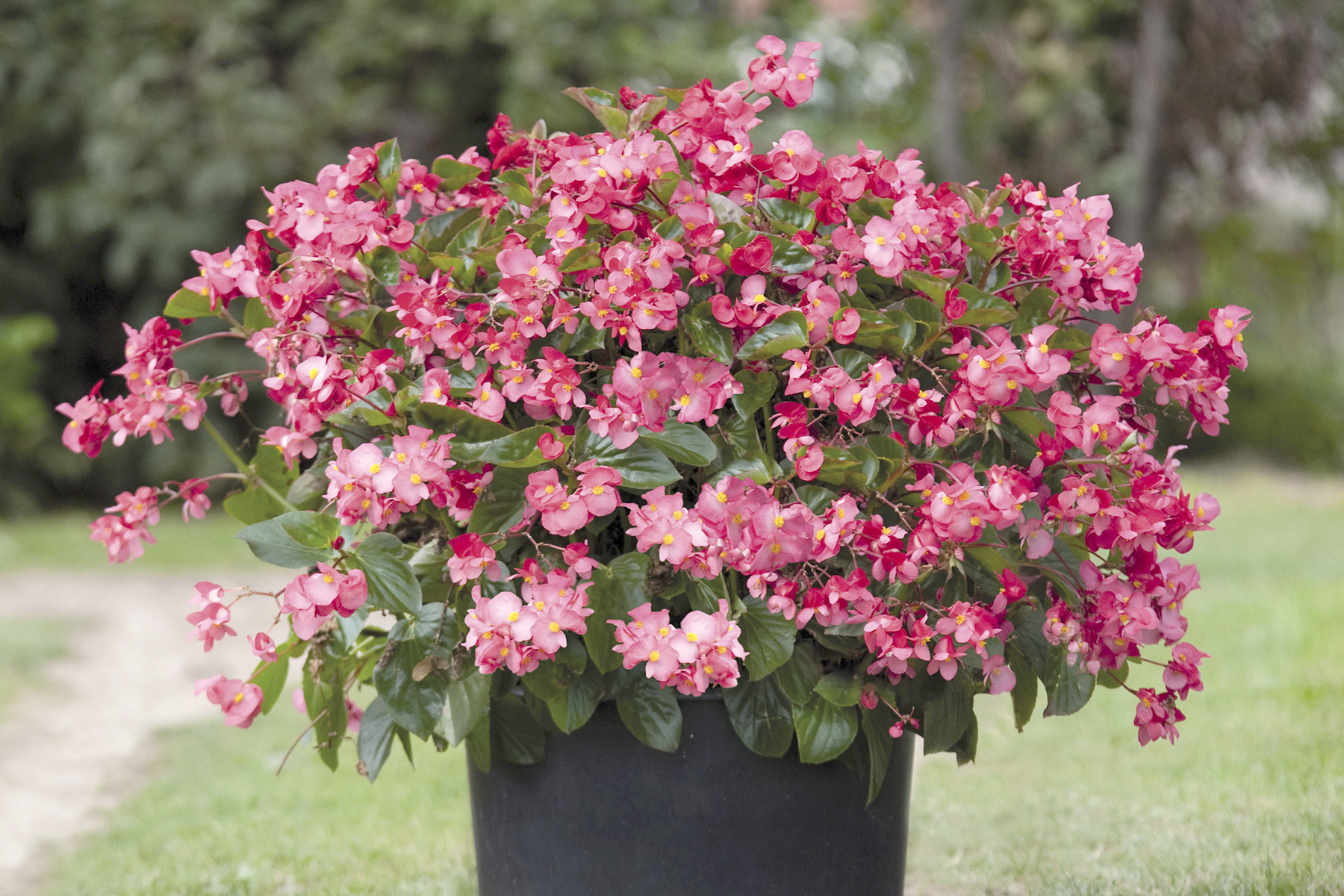
A key difference between mature Big and Whopper is the shaggy, arching prominences of Whopper. Whereas Big likes to keep its mound round, Whopper has more dragon in its blood. The color is held out and over the foliage, not close to the canopy.

At first glance, it appears to be little more than another oversized hybrid. Look closer and it becomes clear that its real purpose is scale. This is a plant built for large beds, municipal installations, and commercial properties where ordinary bedding plants disappear. It becomes a substantial mass as the season ages.
Notice the progression:
-
Big established the category.
-
Whopper expanded it.
-
Stonehedge stretched it to its practical limit.
In a large container, those floral arches in Whopper present more like a perm cut from the 70's rather than a smooth bouffant from the 60's.
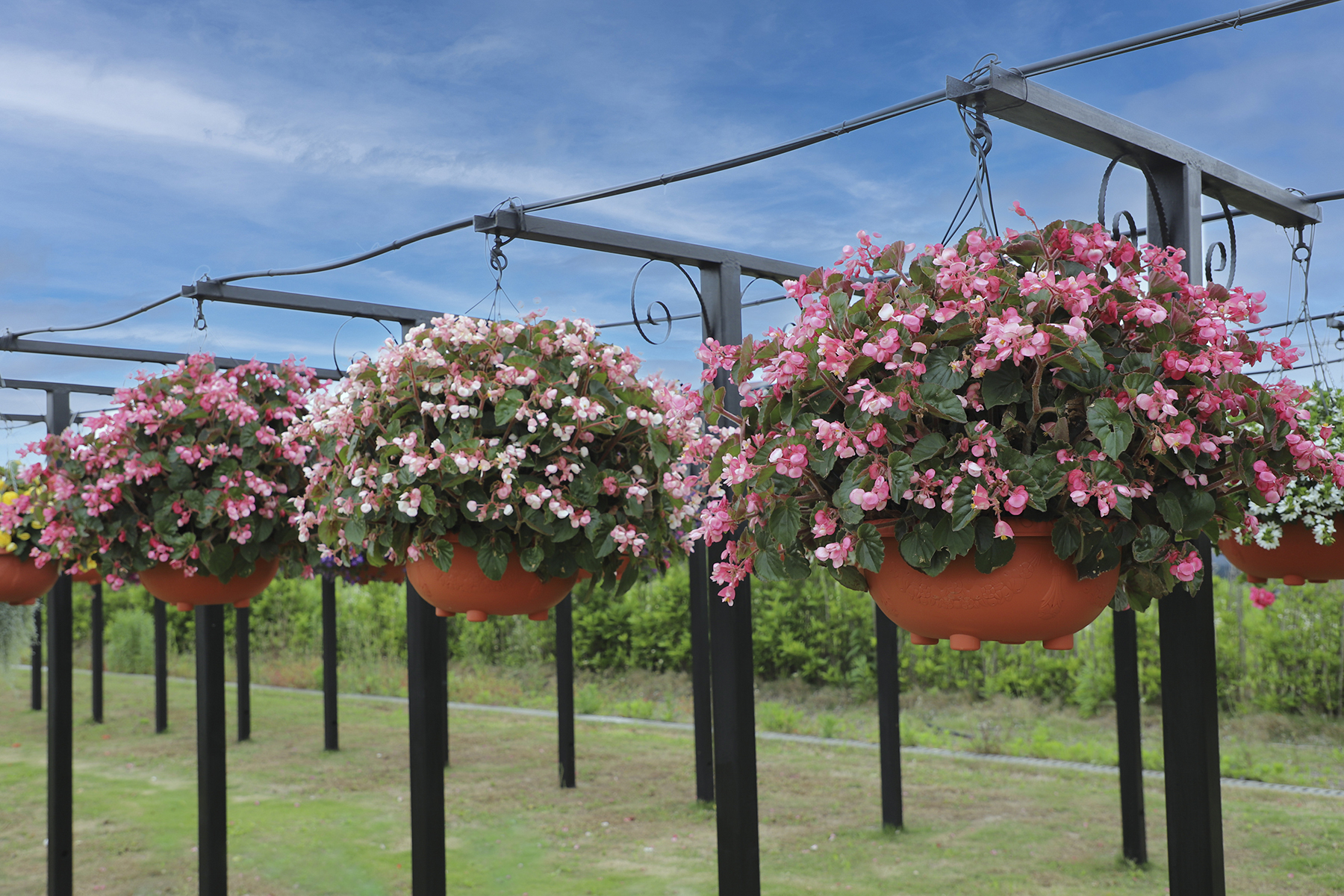
Then Benary zagged
bigger. It’s about better baskets, and it may turn out to be the most interesting cultivar of the group.
For years, growers have used upright begonias in hanging baskets simply because they were available. They worked well enough. But well enough isn’t the same as purpose-built. Wookie was bred to develop the rounded, cascading form consumers expect from a premium hanging basket. Instead of growing upward into the hanger, it naturally spreads, drapes over the rim, and creates a fuller presentation at retail.
That’s not another SKU. That’s a different application.
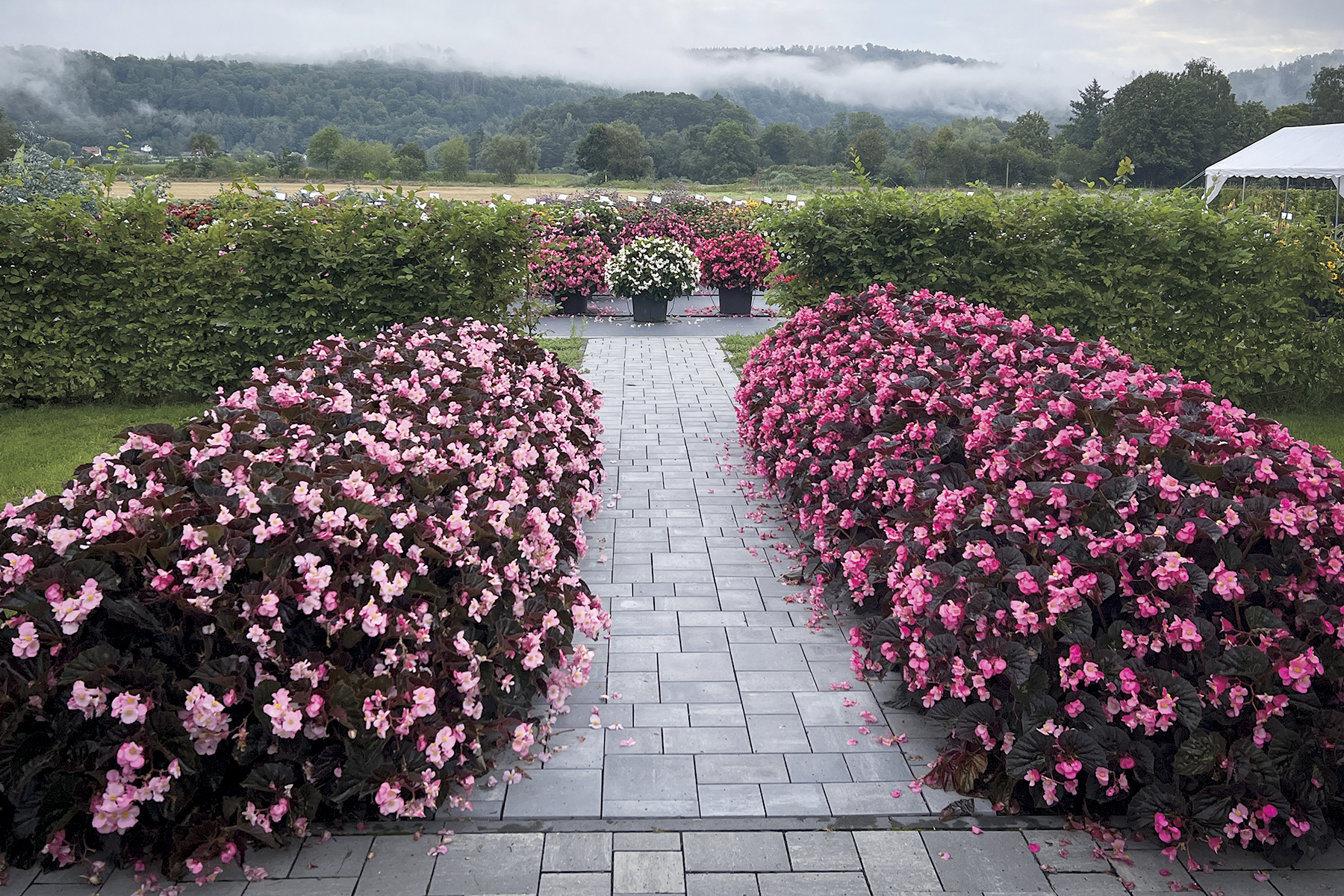
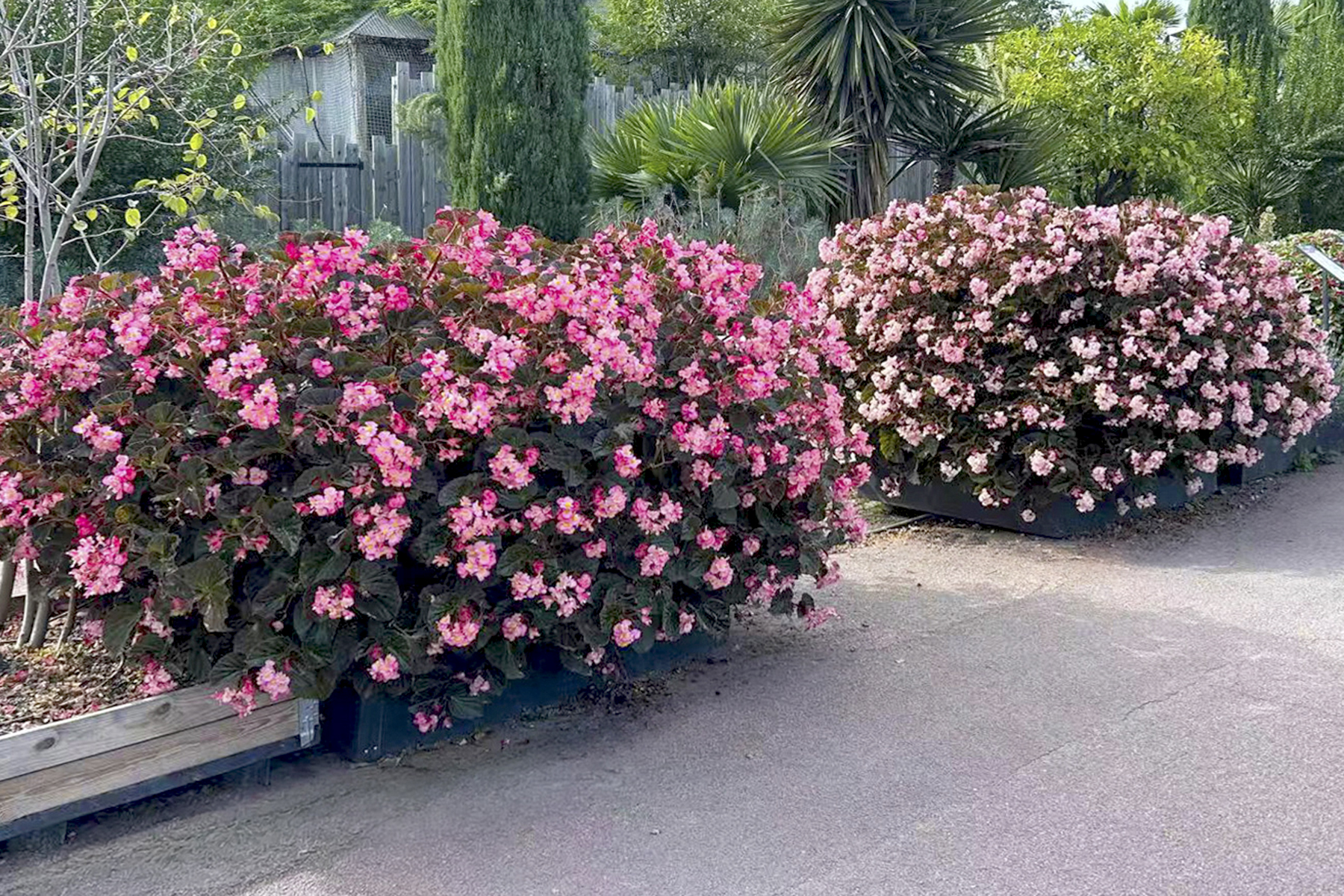
Stonehedge is the beast in the mix (careful with the name—it's a pun). These plantings can get deep and wide. For comparison, those are Big begonias at the head of the walkway. You can tell by the smoothness of the dome.
More importantly, it solves a merchandising problem without asking growers to revise their production systems. One of the greatest barriers to adopting new genetics isn’t seed cost or licensing fees. It’s operational inertia.
Every new crop has new protocols and sometimes new schedules. Most growers don’t change because they’re stubborn. They’d rather their successful production system remain in place undisturbed, like a carefully constructed Jenga tower. Pulling one piece, even for a better one, is a risk.
Southern gardens with their long growing season get the best use out of Stonehedge. Notice the fence in the background, just a little higher than these two begonia plantings. If you look down, you will find 1x6 planks in their planters for scale.
Stepping back, a pattern appears
The hybrids aren’t replacements. They are specialized tools:
-
Need a premium landscape plant? Big.
-
Need greater presence? Whopper.
-
Need maximum landscape impact? Stonehedge.
-
Need a premium hanging basket? Wookie.
For 10 and 12 inch baskets, you don't want a beast of a begonia. You want something that fills the space, up as well as over, draping about half way down the side. This is basket-pretty, a middle ground that the market has settled on as just right.